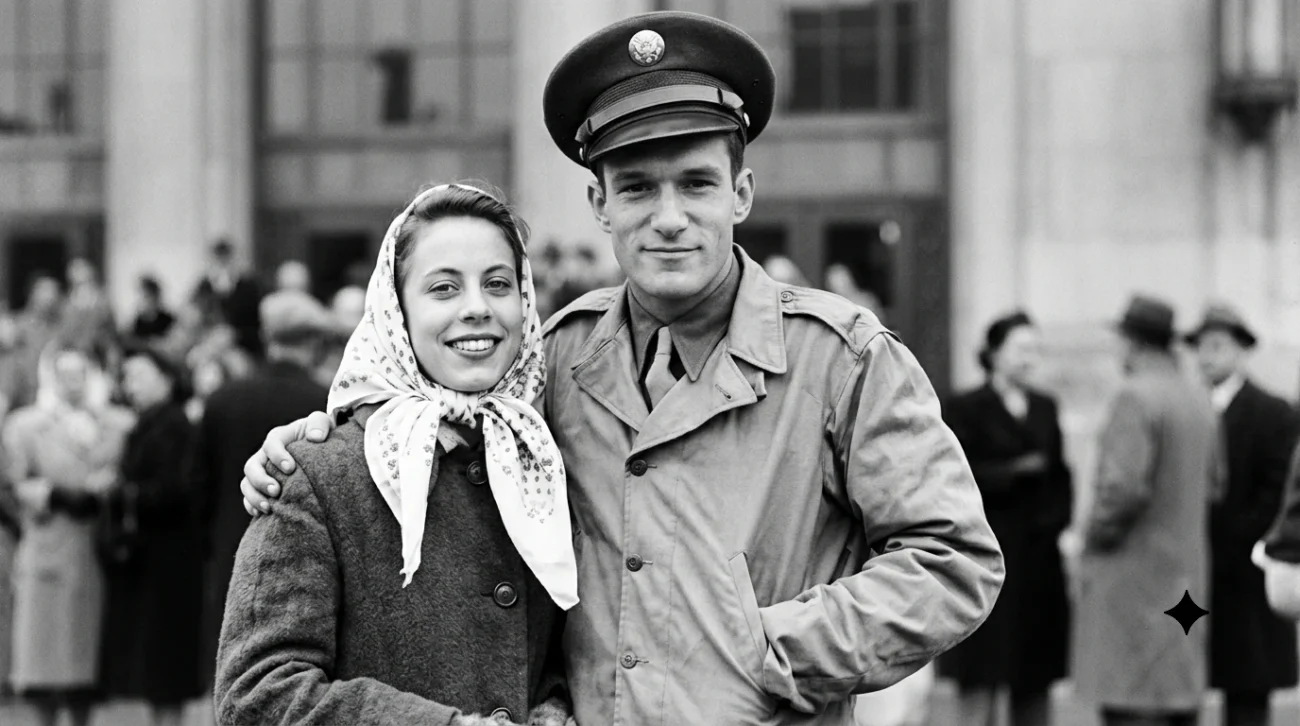
Millie Williams is most often remembered as the first wife of Playboy founder Hugh Hefner, but her life was far longer, quieter, and more personal than that familiar label suggests. Born Mildred Marie Joan Williams in Chicago on March 10, 1926, she lived through nearly a century of American change and died peacefully in her Chicago apartment on December 13, 2025, at age 99. She was the mother of Christie Hefner and David Hefner, a teacher, a later Playboy Enterprises employee, an active Democrat, a reader, a traveler, a golfer, and a woman whose story belongs beside, but not inside, the legend of her famous former husband.
Early Life and Family
Millie Williams was born and raised in Chicago, Illinois. Her parents were Henry Williams, a streetcar conductor, and Mary Micoley, a homemaker. She grew up as one of five daughters in a working family, a background that shaped the practical and grounded life she later led.
Music was part of her early years. She played violin in school and remained drawn to cultural life, especially opera and concerts, well into old age. Those interests give a fuller picture of Millie beyond her link to Hugh Hefner: she was socially engaged, curious, and connected to the civic and cultural rhythms of Chicago.
Millie came of age during the Great Depression and World War II years, when expectations for women were often narrow. Still, she pursued college and graduated from the University of Illinois. She remained proud of that connection and was remembered as a loyal Illini supporter.
Education and Meeting Hugh Hefner
Millie Williams and Hugh Hefner knew each other before fame entered the story. The most detailed family-based accounts say they met as students at Steinmetz High School in Chicago and dated while Hefner served in the Army and while both were in college. Some public summaries have described them as Northwestern classmates, but the stronger account identifies their connection as beginning earlier, in high school.
After college, Millie and Hugh married young. Their early married life was modest, far removed from the Playboy Mansion image later attached to Hefner’s name. They initially lived with Hugh’s parents, Grace and Glenn Hefner, while trying to build an adult life.
Millie taught school during those years. Hugh worked several jobs and was still searching for the career path that would make him famous. Their early marriage belonged to ordinary postwar Chicago life: work, family, rent, children, and ambition.
Marriage to Hugh Hefner
Millie Williams became Hugh Hefner’s first wife before Playboy existed. Their marriage produced two children: Christie Ann Hefner, born November 8, 1952, and David Paul Hefner, born August 30, 1955. Both children would later become part of the public story around the Hefner family, though in very different ways.
The marriage is historically important because Playboy began during it. Hefner created the first issue of Playboy in 1953, and family accounts describe that first issue being developed at the couple’s kitchen table. That image matters because it shows how close Millie was to the beginning of a media company that would later become famous around the world.
But Playboy’s rise also changed the marriage. Hefner’s work, public identity, and bachelor image grew quickly, while Millie’s life remained tied to motherhood and domestic responsibility. The relationship ended in the late 1950s, though public sources differ on the exact divorce year, with some listing 1959 and a family-based remembrance indicating 1957.
Children and Family Life After Divorce
After the marriage ended, Millie moved forward with Christie and David. She later married Ed Gunn, and the family lived in Wilmette, Illinois. Christie and David used the Gunn surname when they were young, which explains why Christie Hefner was known for a time as Christie Gunn before later reclaiming the Hefner name in college.
Millie’s second marriage lasted 11 years before she left. Public accounts describe the marriage as unhappy, but the exact private details are not publicly confirmed. What is clear is that Millie made a difficult decision during a period when divorce carried more social weight than it does now.
Her children took very different paths. Christie Hefner became the more public figure, joining Playboy Enterprises in 1975 and later serving as president and CEO. David Hefner chose a private life and has been described publicly as a computer programmer, though most details about his adult life remain private.
Work, Politics, and Independence
Millie Williams built a busy life after her marriages. She became active in the Wilmette Democratic Party and often served as a poll judge. She also played duplicate bridge, bowled in a league, and enjoyed competitive golf.
Her later work life brought her back into the orbit of Playboy, but on her own terms. Christie encouraged her to apply for a sales position at Playtique, a Playboy Enterprises retail concept on North Michigan Avenue in Chicago. Millie did well in the job, and after the store closed, she moved into the company’s human resources department.
In HR, she worked on employee programs, service awards, tuition reimbursement, relocations, blood drives, and staff events. She worked into her 70s, which says much about her energy and sense of purpose. Rather than living only as a former spouse of a famous man, she kept working, learning, and participating in the world around her.
Later Love With Pierre Rohrbach
One of the most meaningful relationships in Millie’s later life was with Pierre Rohrbach, a Swiss émigré described by family as the love of her life. Their bond lasted nearly 50 years. Public accounts say she lived with him for five years before asking him to marry her on the first tee at the Winnetka golf course.
Their life together included travel, golf, opera, and shared routines. They visited places such as Scotland, Thailand, Kenya, and the Greek Islands. They also attended opera in Chicago and abroad, reflecting the cultural interests that stayed with Millie from childhood into her final decades.
In later years, Millie and Pierre moved into The Clare in Chicago after his vision problems made their townhouse difficult to manage. He eventually entered skilled nursing care, and Millie visited him every day until his death two years before hers. That long devotion became one of the clearest public markers of her character.
Net Worth and Financial Life
Millie Williams’s net worth is not publicly confirmed. Any website claiming a precise figure should be treated with caution unless it cites verified financial records, probate filings, or credible reporting. No reliable public source has confirmed her personal wealth.
Her financial life was connected at points to the Hefner family and Playboy Enterprises, but that does not prove a specific net worth. Hugh Hefner reportedly helped provide housing support at one stage so David could complete high school at New Trier West. Millie also worked later in life, including in Playboy Enterprises’ HR department.
The fairest answer is that Millie had periods of stability and family support, but her personal finances remained private. A responsible biography should not turn her connection to a wealthy family into an invented number.
Final Years and Death
Millie remained active in old age. After retirement, she completed the Great Books program at the University of Chicago and volunteered as a tutor for kindergartners in North Chicago. She continued to read, attend cultural events, meet friends, and follow politics.
She died on December 13, 2025, in her Chicago apartment at age 99. In her last year, she was still reading The New York Times, going out for meals, attending events, and seeing friends. Public remembrance also noted that she went to Bears and White Sox games during her final months.
Her death brought renewed attention to a woman many people knew only through Hugh Hefner’s biography. It also corrected older confusion online about her life and death. Millie Williams did not disappear after the Hefner marriage; she lived a long, active, and independent life.
Public Image and Legacy
Millie Williams occupies an unusual place in American popular culture. She was present at the beginning of Playboy, but she did not become part of its later public theater. She belonged to the kitchen-table origin story, not the Mansion era.
That distinction matters. Hugh Hefner became a symbol of sexual freedom to some and exploitation to others. Millie’s story is quieter, but it gives a more human view of the cost and complexity behind public mythology.
Her legacy is also tied to her children. Christie Hefner became one of the most prominent women in American media management, while David Hefner chose privacy. Millie’s life as their mother helped connect the private Hefner family to the public company that shaped their surname.
Frequently Asked Questions
Who was Millie Williams?
Millie Williams, born Mildred Marie Joan Williams, was the first wife of Playboy founder Hugh Hefner. She was also the mother of Christie Hefner and David Hefner and lived most of her life in the Chicago area.
When was Millie Williams born?
Millie Williams was born on March 10, 1926, in Chicago, Illinois. She grew up in a working family as one of five daughters.
When did Millie Williams die?
Millie Williams died peacefully on December 13, 2025, in her Chicago apartment. She was 99 years old.
Was Millie Williams Hugh Hefner’s first wife?
Yes. Millie Williams was Hugh Hefner’s first wife. They married before Playboy was founded, had two children together, and divorced in the late 1950s.
Did Millie Williams work at Playboy?
Yes. Later in life, Millie worked at Playtique, a Playboy Enterprises retail store, and then in the company’s human resources department. She continued working into her 70s.
How many children did Millie Williams have?
Millie Williams had two children with Hugh Hefner: Christie Hefner and David Hefner. Christie became a major executive at Playboy Enterprises, while David chose a more private life.
What was Millie Williams’s net worth?
Millie Williams’s net worth is not publicly confirmed. There is no reliable verified figure for her personal wealth, and precise online estimates should be treated carefully.
Conclusion
Millie Williams is remembered because of Hugh Hefner, but her life deserves more than a footnote in his story. She was there before Playboy became a global name, during the ordinary and uncertain years when its founder was still building a future.
Her later decades show a person who kept choosing life on her own terms. She raised children, worked, joined political and civic causes, traveled, studied, loved music, played golf, and built a lasting partnership with Pierre Rohrbach.
The most honest portrait of Millie Williams is not glamorous or scandal-driven. It is the story of a Chicago woman who stood close to fame, stepped away from it, and lived nearly a century with independence, loyalty, and quiet strength.
