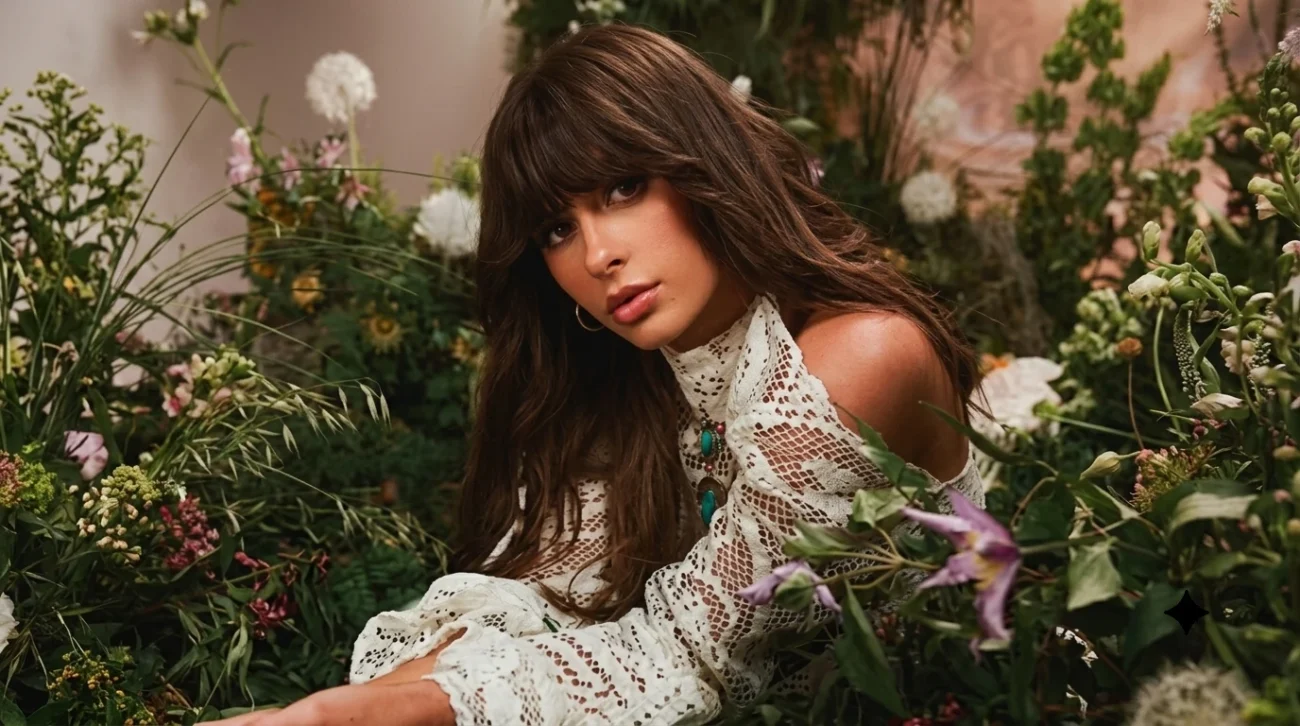
Ella Langley built her country music career the old-fashioned way: writing songs, playing small venues, opening for established performers, and learning how to hold an audience before national recognition arrived. Her breakthrough duet with Riley Green, “You Look Like You Love Me,” introduced her smoky Alabama voice to millions of listeners and turned a rising Nashville songwriter into an award-winning recording artist.
Known for candid lyrics, traditional country touches, and a stage presence that balances confidence with humor, Langley has become one of the most closely watched women of her generation in country music. Her story begins in rural Alabama, passes through Auburn University and Nashville’s songwriting community, and reaches a career-changing period marked by her debut album, major radio success, and industry awards.
Early Life and Family
Ella Langley was born on May 3, 1999, and grew up in Hope Hull, Alabama, a rural community near Montgomery. She is American and has remained closely associated with her Southern upbringing, which continues to shape her songwriting, accent, visual style, and public identity.
Music was present in her family from an early age. Langley has spoken publicly about singing in church and learning songs around relatives who played instruments. Her grandfather, in particular, helped form some of her earliest musical memories through time spent at the piano and through traditional songs passed down within the family.
After her grandfather died, Langley’s father had a guitar prepared for her, helping turn her interest in music into something she could pursue on her own. She began teaching herself to play and spent time singing around her family’s property before she had access to professional stages.
Langley has generally protected her relatives from excessive public exposure. Her parents have been discussed in interviews as supportive figures, but detailed information about their occupations and private lives has not been widely confirmed. She has siblings, though she does not make her family relationships a constant part of her public brand.
Education and Early Ambitions
Langley attended Hooper Academy in Alabama before enrolling at Auburn University. She studied forestry, a choice that reflected her connection to rural life rather than an early plan to enter the entertainment business through formal music training.
While at Auburn, she began performing more seriously. She played local bars, worked on original songs, and started to imagine music as a realistic career rather than a private ambition. Those early performances gave her experience reading crowds and developing a style that could survive outside a controlled studio setting.
In 2019, Langley left Auburn before completing her degree and moved to Nashville. The decision carried risk: Nashville attracts thousands of talented singers and writers, and most do not receive a major-label opportunity. Her family supported the move, allowing her to pursue songwriting and performing full time.
The education Langley received in Nashville was practical. She entered writers’ rounds, collaborated with other songwriters, performed wherever opportunities appeared, and learned how publishing, touring, recording, and artist development work. That period gave her a foundation that later helped her handle the speed of her public breakthrough.
Building a Career in Nashville
Langley’s first years in Nashville were defined by steady work rather than immediate fame. She developed relationships within the songwriting community and released music independently while trying to establish a recognizable artistic identity.
Social media became useful during the COVID-19 pandemic, when live venues closed and emerging performers lost a major route to audiences. Langley posted acoustic performances, song previews, and personality-driven clips that allowed listeners to become familiar with both her voice and her sense of humor.
Songs such as “If You Have To,” “Damn You,” and “Country Boy’s Dream Girl” helped her gain attention. The material introduced recurring themes in her writing: attraction complicated by bad timing, romantic frustration, independence, small-town life, and women who may be imperfect but remain in control of their stories.
Her work also began attracting attention from the Nashville industry. She signed a publishing agreement with Sony Music Publishing and earned songwriting credits connected to other country performers. This stage of her career showed that professionals valued her ability to shape a song before she became widely known as the person singing it.
Langley also toured as an opening act for artists including Koe Wetzel, Lainey Wilson, Elle King, Cody Johnson, and Riley Green. Opening shows forced her to perform for crowds that had not necessarily come to see her, an experience that helped strengthen her live delivery and expand her audience one venue at a time.
Record Deal and Excuse the Mess
In February 2023, Langley signed a recording agreement with SAWGOD and Columbia Records in partnership with Sony Music Nashville. The deal gave her a larger platform without requiring her to abandon the musical character she had already developed.
That same month, she made her Grand Ole Opry debut. Performing at the Opry represented a major symbolic step for an artist who had grown up singing traditional material and had built her reputation through live country music.
Her major-label EP, Excuse the Mess, arrived in May 2023. The eight-song project included “Make Me Wanna Smoke,” “Could’ve Been Her,” “Country Boy’s Dream Girl,” and “That’s Why We Fight,” a duet with Koe Wetzel.
The EP presented Langley as a singer who could move between rowdy country-rock and more vulnerable storytelling. Rather than polishing away every rough edge, the project leaned into emotional contradiction. Its narrators wanted freedom but also connection, recognized unhealthy patterns but did not always leave them, and spoke with more honesty than restraint.
Excuse the Mess did not make Langley an overnight household name, but it established the voice and attitude that would define her debut album. It also gave her enough material to tour more widely and build a fan base beyond the audiences she reached through short online clips.
Hungover and Her Career Breakthrough
Langley released her first studio album, Hungover, on August 2, 2024. The album expanded the themes introduced on her EP, combining drinking songs, relationship stories, barroom energy, and reflective ballads.
The title described more than a physical hangover. Across the record, Langley examined the emotional aftermath of impulsive decisions, failed relationships, nights out, and attempts to appear less affected than she really was. Songs such as “Paint the Town Blue,” “Nicotine,” “Cowboy Friends,” and the title track showed several sides of the same performer without making the album feel disconnected.
A deluxe edition, Still Hungover, followed later in 2024. It added material including “Weren’t for the Wind,” a song centered on restlessness and the fear of being tied down. The track became another major step in her career, gaining strong support from country audiences and radio.
Hungover established that Langley could carry a full album rather than depend on isolated singles. Her voice remained the central feature: low, smoky, and unmistakably Southern, with a delivery that could sound playful in one song and exhausted in the next.
“You Look Like You Love Me”
The defining hit of Langley’s early career was “You Look Like You Love Me,” a duet with Riley Green. Written by Langley, Green, and Aaron Raitiere, the song was released in 2024 and appeared on Hungover.
Its spoken verses immediately separated it from most songs on country radio. Langley begins by telling the story of a woman who spots a cowboy across a bar and decides to approach him directly. Green answers from the man’s perspective, turning the track into a theatrical conversation inspired by classic country duet traditions.
The song succeeded because its structure felt both familiar and fresh. Older listeners could hear echoes of narrative country records from previous decades, while younger audiences responded to its humor, flirtation, and easily recognizable central line.
“You Look Like You Love Me” became Langley’s first major crossover success and reached the top of the country airplay chart. It also brought her onto the Billboard Hot 100 and expanded her audience outside the listeners who had followed her earlier releases.
The accompanying Western-themed music video reinforced the song’s playful storytelling. Langley shared directing credit on the visual, showing that her creative involvement extended beyond singing and songwriting.
Awards and Public Recognition
“You Look Like You Love Me” turned commercial momentum into formal industry recognition. At the 2024 Country Music Association Awards, Langley and Green won Musical Event of the Year for the duet.
The success continued at the 2025 Academy of Country Music Awards. Langley received several honors, including New Female Artist of the Year, while “You Look Like You Love Me” earned awards across major song, collaboration, and visual categories.
Those wins marked an unusual rise for an artist still near the beginning of her album career. They also recognized different parts of her work. Langley was honored not only as a performer but as a songwriter and creative contributor to the record’s visual presentation.
Awards cannot determine whether a career will last, but they changed Langley’s standing within country music. She moved from being described mainly as an emerging act to being treated as an artist capable of producing major radio singles, commanding headline audiences, and influencing the direction of contemporary country.
Musical Style and Public Image
Langley’s music draws from traditional country, Southern rock, and modern Nashville production. Steel guitar, acoustic instruments, electric riffs, and direct choruses appear throughout her work, but her voice prevents the songs from sounding generic.
She is particularly effective at conversational writing. Her strongest titles often sound like phrases someone might actually say during an argument, a flirtation, or a moment of self-realization. That quality makes her songs easy to understand without stripping them of emotional tension.
Her public image also reflects her Alabama background. Denim, boots, turquoise jewelry, fringe, vintage-inspired Western pieces, and long hair with bangs have become familiar parts of her appearance. The style is recognizable but remains connected to her music rather than functioning as a separate fashion persona.
Langley’s humor has helped her relationship with fans. She can present herself as self-assured while still acknowledging exhaustion, disappointment, and uncertainty. That balance makes her more approachable than an artist whose public identity depends on appearing perfectly composed.
Relationships and Private Life
Langley is not married, and she has not publicly confirmed having children. She has generally kept her current romantic life private, even as her collaborations and emotionally direct songs have encouraged public speculation.
The most persistent rumors have involved Riley Green. Their chemistry in “You Look Like You Love Me,” appearances together, and continued musical collaboration led some fans to assume they were dating. Both artists have publicly characterized their relationship as friendship and professional partnership rather than confirming a romance.
Because Langley writes about love, breakups, attraction, and regret, listeners sometimes treat each song as a literal account of a specific relationship. Songwriting does not always work that way. Artists often combine personal experiences, imagined scenes, observations, and ideas contributed by co-writers.
Any claim about Langley’s current partner should therefore be treated cautiously unless she confirms it herself. As of the most recently established public information, she has not announced a marriage, engagement, or long-term partner.
Net Worth and Income Sources
Ella Langley’s exact net worth is not publicly confirmed. Online estimates often present precise figures, but those numbers are not supported by audited financial statements, verified contracts, or disclosures from Langley and her representatives.
Her income likely comes from several standard music-industry sources. These include recording royalties, streaming, songwriting and publishing shares, concert fees, merchandise sales, and possible brand partnerships.
Touring is likely an increasingly important part of her earnings as she moves from opening slots into larger headline venues. Her songwriting credits may also generate continuing income when songs are streamed, performed publicly, played on radio, or recorded by other artists.
A successful single does not translate directly into personal wealth. Labels, publishers, managers, agents, producers, touring expenses, taxes, and other costs all affect what an artist ultimately retains. For that reason, any responsible account of Langley’s finances should describe her income sources without claiming a verified total.
Recent Work and Current Status
Langley entered the period after Hungover with greater commercial expectations than she had faced before the album. “You Look Like You Love Me” gave her a signature hit, while “Weren’t for the Wind” helped prove that listeners were interested in her solo work as well as her collaborations.
She has continued touring, writing, and performing at major country music events. Her live career has expanded from early bar shows and support appearances to headline dates and high-profile festival stages.
Langley has also been open about the strain that can accompany a rapidly growing career. During 2025, she stepped back from some performances while dealing with illness and the physical and emotional demands of touring. The decision reflected a broader challenge for young artists who are expected to record, travel, promote music, and remain constantly visible online.
Her current position rests on more than one popular song. She has a full-length album, a recognizable writing style, strong radio support, major awards, and experience working with several established country performers. The next stage of her career will depend on how she develops that foundation while protecting the specificity that made her stand out.
Frequently Asked Questions
What is Ella Langley’s real name?
Ella Langley is the professional name she uses publicly. Reliable profiles and official music materials identify her by that name, and a different full legal name has not been consistently established in authoritative public sources.
How old is Ella Langley?
Ella Langley was born on May 3, 1999. She is 27 years old as of August 2026.
Where is Ella Langley from?
She is from Hope Hull, Alabama, near Montgomery. Her rural upbringing and Southern family background have remained central influences on her music and public identity.
Did Ella Langley attend college?
Yes. Langley attended Auburn University and studied forestry. She left before completing her degree and moved to Nashville in 2019 to pursue songwriting and performing.
What is Ella Langley’s most famous song?
“You Look Like You Love Me,” her duet with Riley Green, is the song most closely associated with her breakthrough. It became a country radio hit, entered the Billboard Hot 100, and received major CMA and ACM recognition.
Is Ella Langley dating Riley Green?
Langley and Green have not confirmed a romantic relationship. They have described themselves as friends and musical collaborators despite continued speculation from fans.
What is Ella Langley’s net worth?
Her net worth has not been publicly verified. She earns money through music releases, songwriting royalties, touring, merchandise, and related professional work, but precise online estimates should not be treated as confirmed facts.
Conclusion
Ella Langley’s rise has been fast in public view, but the work behind it took years. Before the awards and radio hits, she was writing in Nashville rooms, playing support sets, releasing independent material, and learning how to make strangers pay attention.
Her strongest work succeeds because it does not separate personality from craft. The Alabama accent, dry humor, romantic bluntness, and country traditions are not accessories added after a song is written; they are part of how she tells the story.
Langley now occupies a rare position for a relatively young artist. She has commercial momentum, industry recognition, and enough creative identity to avoid being defined only by a duet partner or a viral moment.
What makes her story matter is not simply the speed of her success. It is the way a singer from Hope Hull carried the habits of a working songwriter into the center of country music without sanding away the qualities that made her recognizable in the first place.
