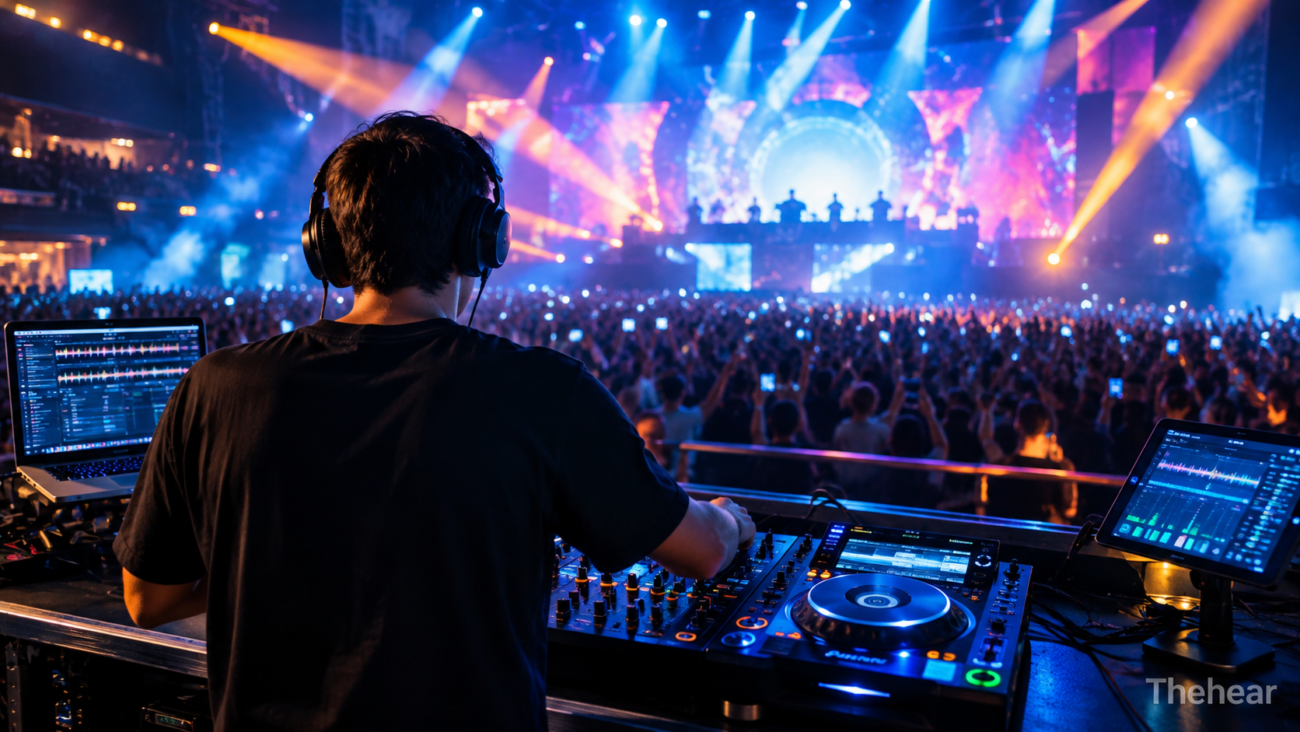
When you watch a DJ perform at a modern event, you are witnessing something vastly different from what performers managed just two decades ago. The equipment, software, and technical capabilities available to musicians and DJs have transformed the entire experience of live performance. What once required extensive physical setup and manual intervention now operates through integrated digital systems. The role of technology in reshaping how performers interact with their craft has become fundamental to contemporary music performance. Understanding these changes provides insight into how modern live music has evolved.
Digital Software Integration in Performance
Your experience as a performer has likely been shaped by the transition from hardware-only setups to integrated digital workstations. Modern DJs and live musicians rely heavily on software platforms that allow real-time control over sound, effects, and track selection. These digital systems enable performers to manipulate audio in ways that were impossible with purely analog equipment. For example, you can now apply complex effects chains, time-stretch tracks to match tempos, and layer multiple audio sources simultaneously through a single laptop interface. The precision and flexibility of digital software have fundamentally changed how performers prepare their sets and respond to audience energy. This technological shift has allowed you to focus more on artistic expression rather than technical troubleshooting during performances.
Wireless Technology and Mobility on Stage
Your ability to move freely during a performance has increased dramatically due to wireless technology advancements. Previously, performers were tethered to their equipment by cables, limiting their physical presence and interaction with audiences. Modern wireless systems allow you to control your setup from anywhere within venue range, enabling dynamic stage presence and audience engagement. You can now use wireless headphones to monitor your mix, control equipment remotely, and move throughout performance spaces without losing connection to your setup. This mobility has changed the visual and interactive aspects of live performance, making DJs and live musicians more present in the crowd experience. The reliability of contemporary wireless protocols means you can depend on consistent connectivity throughout extended performances.
Real-Time Mixing and Adaptive Performance Capabilities
Your ability to adapt to crowd response in real-time has been enhanced by modern mixing technology. Current digital audio workstations allow you to make instantaneous adjustments to tracks, remix elements on the fly, and layer samples with minimal latency. Where previous technology required predetermined mixing decisions, modern setups enable spontaneous creative choices during performances. You can isolate individual tracks, adjust frequencies, add reverb or delay effects, and create mashups without interrupting the flow of your set. Observing how the best electronic music dj moves through a live set demonstrates how seamlessly technology can be woven into genuine artistic expression, turning adaptive capability into a defining feature of professional performance. This has shifted live performance from purely executing a planned set to creating a dynamic musical conversation with your audience.
Lighting and Visual Integration Systems
Your performance space has become increasingly integrated with synchronized lighting and visual technologies. Modern DJ setups often connect directly with venue lighting systems, allowing music and visuals to respond to the same triggers and parameters. You can now control lighting intensity, color, and patterns through the same interface managing your audio, creating cohesive audiovisual experiences. For example, beat detection algorithms can automatically sync lighting changes to kick drums or bass hits, enhancing the overall impact of your performance. The integration of these systems means you must consider visual elements as part of your artistic output rather than as separate technical considerations. Understanding lighting technology has become an essential skill component for contemporary performance professionals.
Streaming and Remote Collaboration Possibilities
Your reach as a performer has expanded beyond physical venue limitations through streaming and remote collaboration technology. You can now broadcast live performances to audiences worldwide through various streaming platforms, creating new revenue streams and audience expansion opportunities. This capability has introduced technical considerations around bandwidth management, encoder settings, and stream quality optimization into your performance workflow. You might use split monitoring systems that allow you to perform for both physical audiences and remote viewers simultaneously. The possibility of remote collaboration means you can integrate other performers into your set without them being physically present. For a thorough look at how streaming technology intersects with live electronic performance,
Conclusion
The technological transformation of live music performance from behind the decks represents a significant shift in how performers create and deliver their work. Your relationship with equipment has evolved from managing mechanical limitations to leveraging sophisticated digital tools that expand creative possibilities. The integration of wireless systems, real-time software capabilities, synchronized visuals, and remote collaboration technologies has made contemporary performance more dynamic and responsive. Modern performers benefit from unprecedented control over their sonic palette while maintaining greater physical freedom and audience connection. As technology continues to develop, the performer’s role has grown increasingly sophisticated, requiring both artistic vision and technical competency
