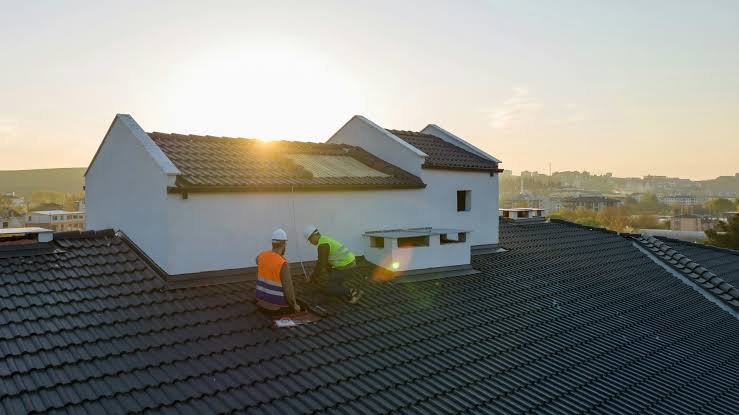
When evaluating potential contractors, homeowners often find that proposals vary wildly in price, scope, and technical promises. Understanding how to evaluate and compare estimates across four critical pillars—quotes, warranties, materials, and workmanship—is essential for making an informed decision. This guide outlines how to navigate contractor bids and choose the right trade professional for your property.
1. Comparing Estimates: Decoding Pricing Structures and Scope of Work
An estimate should offer total clarity regarding what you are paying for. When reviewing bids from multiple contractors, comparing the bottom-line number alone can be misleading; a lower initial price often reflects omitted services, cheaper secondary materials, or hidden fees.
- Detailed Scope Breakdown: Ensure every quote explicitly lists tear-off procedures, disposal fees, underlayment application, ice barrier coverage, drip edge installation, and specific ventilation upgrades.
- Deck Replacement Clauses: Review how each contractor handles rotted plywood or OSB sheathing discovered during tear-off. Reliable bids clearly state a fixed, per-sheet replacement cost for wood repairs rather than leaving pricing open-ended.
- Property Protection and Cleanup: Verify whether the estimate covers ground protection, tarps for decks and landscaping, magnetic sweeps for stray nails, and dumpster permit fees.
- Payment Terms and Milestones: Avoid bids that demand substantial cash deposits upfront. Standard industry practices involve a modest deposit upon signing, structured progress payments, and a final payment due only after completion and thorough inspection.
2. Deciphering Warranties: Material Coverage vs. Workmanship Guarantees
Roofing warranties are frequently misunderstood. Contractors at therooftechnician.ca often pitch “50-year” or “lifetime” coverage, but homeowners must distinguish between factory product warranties and contractor labor guarantees.
- Manufacturer Material Warranties: Issued directly by material producers, these policies cover manufacturing defects in shingles, metal panels, or flat roof membranes. Standard non-prorated coverage periods typically span 10 to 20 years before pro-rating applies.
- Contractor Workmanship Warranties: Issued directly by the installation company, labor warranties cover installation errors, improper flashing, or poor sealing. High-quality trade professionals typically offer workmanship coverage ranging from 10 to 25 years.
- Enhanced System Warranties: Some certified installers can offer extended manufacturer warranties that cover both materials and labor if the entire roof system uses matching components from a single production line.
- Warranty Transferability: Check whether both the manufacturer and workmanship warranties can be officially transferred to a new owner if you sell your home, as transferable coverage enhances real estate resale value.
3. Evaluating Materials: Matching Products to Toronto’s Climate
The performance of your new roof depends heavily on selecting materials engineered to handle Southern Ontario’s severe climate swings. Comparing material options across quotes ensures your roof deck receives appropriate protection.
- Architectural Asphalt Shingles: Modern dimensional shingles feature heavy fiberglass bases and UV-stabilized asphalt binders, offering strong wind resistance and Class 4 impact resistance against hail and ice.
- Standing-Seam Metal Roofing: Metal systems provide lifespans of 40 to 70 years. Concealed fasteners and smooth surfaces allow heavy snow to shed easily, reducing winter load stress on underlying rafters.
- Flat Roof Membranes: Low-slope and flat roof sections require multi-ply modified bitumen or single-ply membranes like EPDM and TPO. Ensure these materials are installed with proper slope calibration to prevent standing water accumulation.
- Underlayments and Ice Barriers: Compare the quality of secondary protection. Superior proposals specify self-adhering ice and water shields extending at least six feet up from the eaves, paired with high-density synthetic deck underlayments instead of traditional asphalt felt paper.
4. Judging Workmanship: Assessing Technical Execution and Standards
Even the highest-grade materials will fail rapidly if applied with poor craftsmanship. Evaluating how a company manages job-site execution separates true experts from inexperienced operators.
- Attic Thermodynamics and Ventilation: A qualified contractor audits your attic air space to balance soffit intake vents with ridge exhaust vents. Proper airflow prevents winter ice dams, reduces summer heat buildup, and stops moisture condensation beneath the roof deck.
- Custom Metal Flashing Detailing: Flashing failures cause the majority of residential leaks. Confirm that the contractor uses custom-bent, heavy-gauge aluminum or galvanized steel flashing along wall intersections, chimneys, skylights, and valleys.
- Fastener Precision and Placement: High-quality installation requires exact nail placement along the manufacturer-designated nail line, using correct high-wind Nailing patterns (often 6 nails per shingle rather than the standard 4).
- Cold-Weather Protocols: If work is conducted during late autumn or winter, professional crews manually seal shingle courses with specialized adhesives when ambient temperatures are too low for factory adhesive strips to self-seal.
5. Verifying Administrative Compliance and Safety Protocols
Before signing any contract, confirm that the business operates with full legal compliance and safety coverage to protect yourself from legal liability.
- Municipal Licensing: Ensure the business maintains active trade licenses to operate within your municipality, adhering to local building codes and safety regulations.
- Dedicated Site Supervision: Confirm that a dedicated job-site foreman will remain on-site daily to manage crew activities, enforce safety standards, and serve as your direct point of contact.
Final Decision Framework for Homeowners
Choosing the right roofing contractor in Toronto requires looking beyond the initial quote price. By conducting a side-by-side comparison of itemized estimates, clarifying warranty terms, selecting high-performance materials built for local weather, and verifying rigorous installation standards, you can secure a roof that provides lasting performance.
Taking the time to vet contractor credentials and technical specifications ensures your property remains protected, energy-efficient, and leak-free for decades to come.
