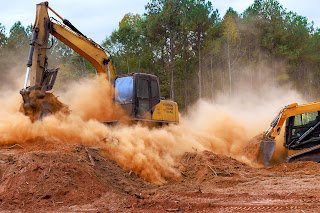
Financing Heavy Equipment rising values of used equipment and the stability of the supply chain, the conversation surrounding financing heavy equipment\ has never been more strategic. While the decision isn’t necessarily based on the price tag, the overall financial implications, tax benefits, and other factors are essential considerations for business owners in the United States.
Market Trends in 2026: Why Used Equipment Is Gaining Value
Used heavy equipment has continued to appreciate in value because of:
- Infrastructural development
- Replacement costs for new equipment
- Increased demand in the construction and logistics industries
- Durability of modern equipment
Late models of heavy equipment today are equipped with telemetric systems, fuel efficiency upgrades, and low operating hours. Financing heavy equipment is therefore not compromising on reliability. However, appreciation in used equipment also means higher purchase costs compared to pre-2020 prices. This impacts financing in some ways.
Funding of New Heavy Equipment
There are many advantages to financing new equipment due to warranties and the ability to run machinery at production levels.
The Advantages of Financing A New Machine
- Warranty Protection: New machines generally come with a manufacturer’s warranty that cuts down the risk of unanticipated repairs.
- Latest Implementation of Technology: The more recent applicable technologies associated with heavy equipment (e.g., enhanced safety features/automation, fuel economy) all increase your productivity.
- Minimal Maintenance During First Years: Little to no repairs incurred during the first period will create an expansion to cash flow.
- Appealing Manufacturer Incentives: When you finance heavy equipment (new), manufacturers will often give you longer term financing (extended terms), low-interest rates (competitive), and flexible forms of financing, because with new equipment, you are able to use the equipment as collateral.
Financial Considerations
- More expensive purchase
- Higher loan amount
- Maybe higher insurance costs
- Rapid decline in value in the first few years
Depreciation, in fact, may provide tax relief through Section 179 and bonus depreciation. Still, a business should make sure that the expected return will be sufficient to cover its higher monthly installments.
Financing for Late Model Used Equipment
Used equipment is becoming more and more appealing in 2026, and for growing businesses, it is an excellent way to save capital.
Benefits of Financing Used Equipment
- Lower Principal Cost: This reduces the monthly payments and the total interest over the life of the loan.
- Lower Depreciation Losses: Most of the depreciation losses have already been written off, leaving the equipment with a higher resale value.
- Faster Rate of Return: With the lower purchase price, the equipment will begin making money faster.
For businesses with an emphasis on maintaining cash flow, financing equipment can result in a stronger financial position in the short term.
Financial Trade-Offs
- Shorter loan term
- Slightly higher interest rates
- No warranty
- Repair costs
Used equipment may not qualify for the same type of financing, and the term may not be as long if the equipment is older than five years. When financing used equipment, it is important to inspect the equipment properly.
2026 Cash Flow Impacts
Borrowing costs have started to stabilize at levels higher than they were before 2020; therefore, business owners must take care in modeling scenarios around payments.
If your company has:
- Strong contracts in backlog
- Predictable revenues
- High equipment utilization rates
Then, financing heavy equipment could help support your company’s growth without exposing yourself to greater risk.
If your company currently:
- Is gradually scaling up
- Operates in cyclical markets
- Is preserving working capital
Then, financing heavy equipment late models would likely allow for more flexibility.
Tax Implications
Section 179 deductions are available for both new and used machines (limits apply). However:
- Newly bought machinery allows for the greatest depreciation benefits.
- Used machinery is still a tax benefit, but the total amount of the deduction will be less because the purchase price is lower.
By carefully planning the timing of your financing, you can make heavy equipment purchases before the end of the year and thereby lower your taxable income substantially.
Risk Management Considerations
Your risk tolerance is an important factor in financing heavy equipment decisions.
New equipment reduces the risk for:
- Mechanical downtime
- Compliance issues
- Productivity fluctuations
Used equipment reduces the risk for:
- Debt exposure
- Fixed monthly expenses
- Financial stress during down periods
Many lenders offer equipment financing options, such as seasonal payments, deferred payments, and step-ups, allowing for the structuring of payments to offset risk, whether the equipment is new or used.
Conclusion
In 2026, your decision regarding buying new or used machinery is not a simple process. The increasing cost of second-hand machinery means that either purchase requires careful consideration of your finances. Ultimately, financing heavy equipment should match your cash flow strategy, tax strategy, operational needs, and growth objectives. Whether you choose to purchase new assets that have warranties or used late-model machinery with less initial cost, knowing the financial ramifications of either decision will allow you to make the best decision for your American business. Making a wise choice today will allow your business to be more profitable in the future.
